Not Today, Not Ever!
Decentralizing Neurotypical Privilege (and re-thinking Neurodiversity)
Privilege…let’s revisit!
What are the ways that we each define privilege?
To begin….
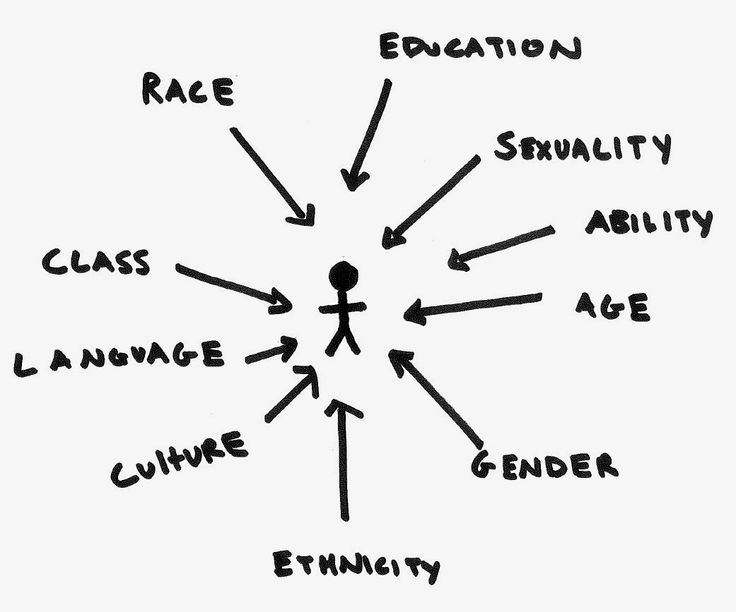
We are all privileged in different ways.
Write down 3 ways you are privileged.
Write down 3 ways you believe you exercise these privileges? How do they shape who you are?
Do you feel like these privileges give you some sort of autonomy or advantage?
How do you think these privileges shape your experiences?
In what ways do you already or do you think you can use your privilege to help those who don't obtain the specific privilege that you obtain?
What are some ways / areas that you believe you don't have privilege?
On the same sheet of paper, Write down 3 privileges that you believe you don’t have access to.
In what ways does this affect your reality?
How does this make things challenging?
What comes to mind when thinking about these inaccessible privileges?
What belief systems do we form about / in terms of others around us .. based on our privileges and coming from privileged standpoints?
How can we apply this to the Neurodiversity conversation?
Dominant Narratives…Let’s Discuss
Dominant Narratives are stories that are continuously told and upheld. These narratives contribute to maintaining dominant ideologies that first and foremost serve dominant groups in our society. Dominant narratives are normalized.
It is our job to attempt to shift attention towards a new direction. Away from dominant narratives to counter narratives.
Break into small groups and discuss (or reflect in writing on your own).
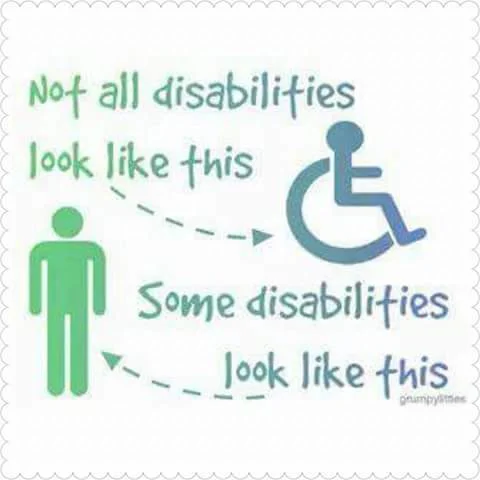
Invisible Disability
-There aren't usually any physical / bodily indications of disability or condition
-There are many Invisible disabilities. It's important that we define and provide language so that in our understanding we don't further render anyone’s conditions, experiences and identities as invisible.
-Just because the disability or condition is not visible to the eye or onlooker doesn’t mean that the disability doesn’t exist.
-Creating an emphasis in attention and importance so that we don't discount realities and ensure that everyone’s experiences can be heard and respected
“ An Invisible disability is a physical, mental, or neurological condition that limits a person’s movements, senses or activities that is invisible to the onlooker. These symptoms can lead to misunderstandings, false perceptions and judgements”
- Invisible Disabilities Association
A very brief intro to the Autism Spectrum :
What is autism? Autism is a developmental condition/ disability that affects social interaction, communication, and other core areas. Autism is a neurological difference… NOT defect or disease.
Autism is comprised of sensory processing differences, social difficulties, and differences in emotional regulation
No autistic person is the same.
Autism is not a death sentence, it is not a defect; it is a difference in communication, socializing and maneuvering among the neurotypical (rest of the) world.
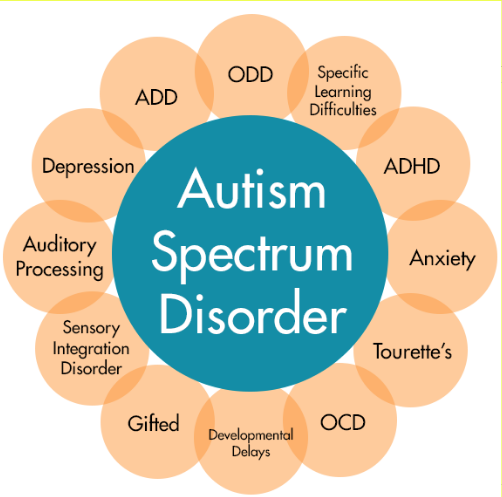
Diagnoses are helpful in clearing up confusion and grey area. They help in no longer having to wonder about symptoms or struggles in relating to others and in better understanding oneself. Diagnoses also are largely helpful in accomodation.
In thinking about privilege, it is also a privilege to be able to be diagnosed and have the proper access to health care and resources.
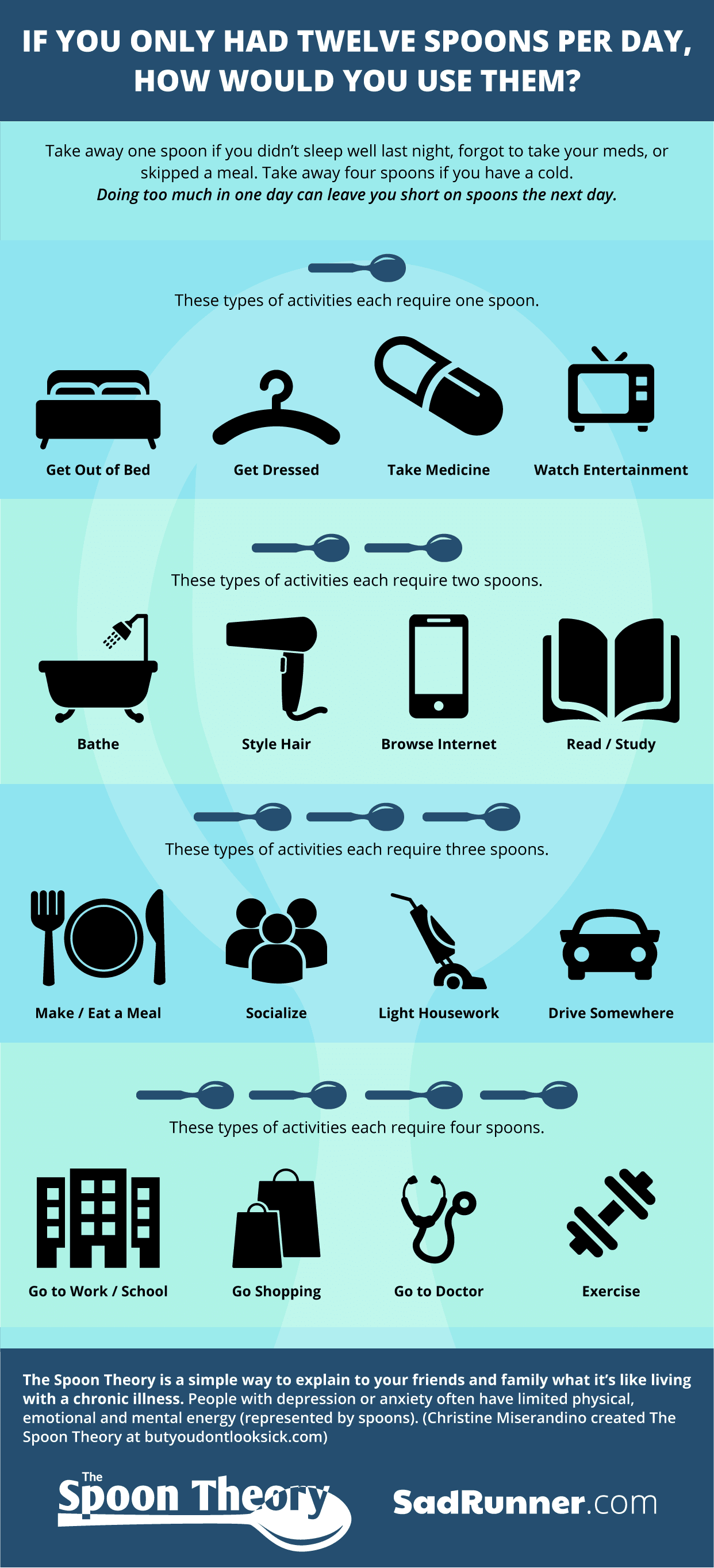
Spoon Theory and Limitations
Spoon Theory is a disability concept by Christine Miserandino
A tool that helps us recognize and communicate limitations
It is used to explain the reduced amount of mental or physical energy available and needed for daily activities (activities that include living and productive tasks)
Not everyone needs or identifies with this but it is important to think about in terms of understanding limitations regarding condition and disability.
Keywords
Allistic – a word used to describe those who are not autistic; “non-autistic”
Atypical - uncommon, divergent. The word used to describe (Autistic) neurology. Not limited to autistic neurology. Diverging from the norm or dominant neurology.
Neuro - (root word) of or relating to our nervous system.
Neurotypical – neurologically typical /“normal” . understood as the dominant neurology. Usually abbreviated as NT
Neurodivergent – accounts for those whose wiring/ neurology veers away from the norm / is atypical; the opposite of neurotypical .
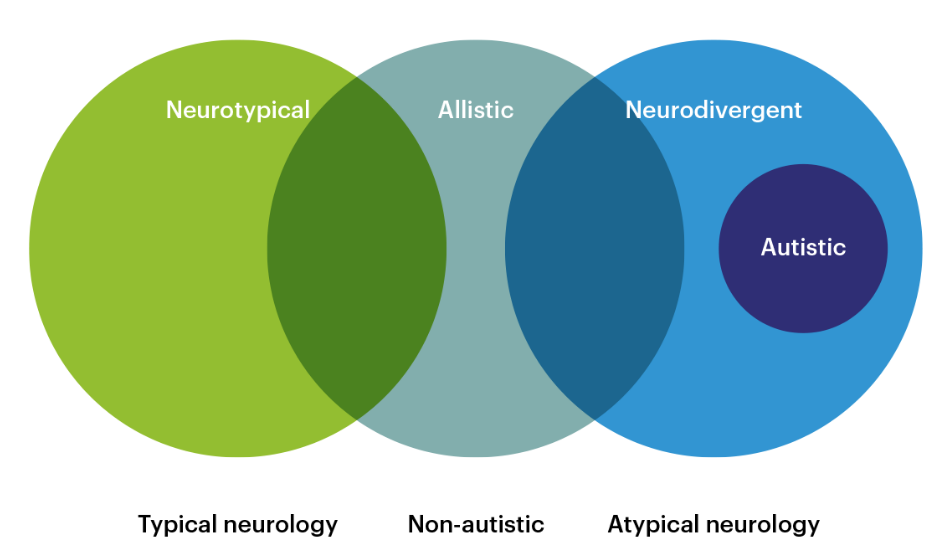
HOW DOES AUTISM SHAPE THE SPACE OF NEURODIVERSITY?
The Neurodiversity Movement is a movement and concept that advocates equality and inclusion for those who are neurodivergent. As part of this ideology, and expansion in how we understand diversity, neurodiversity aims to recognize and respect neurological differences thorugh centering them. Neurodiversity was initially formed by autistic people along with allies in working towards expanding/ broadening our understanding of and action towards inclusivity.
Example: Understanding Autism as a difference in neurological wiring, as opposed thinking about Autism as deficit, defect, disease that Needs to be cured.
The Neurodiversity Paradigm
a new model that has been created and adopted by those who are atypical.
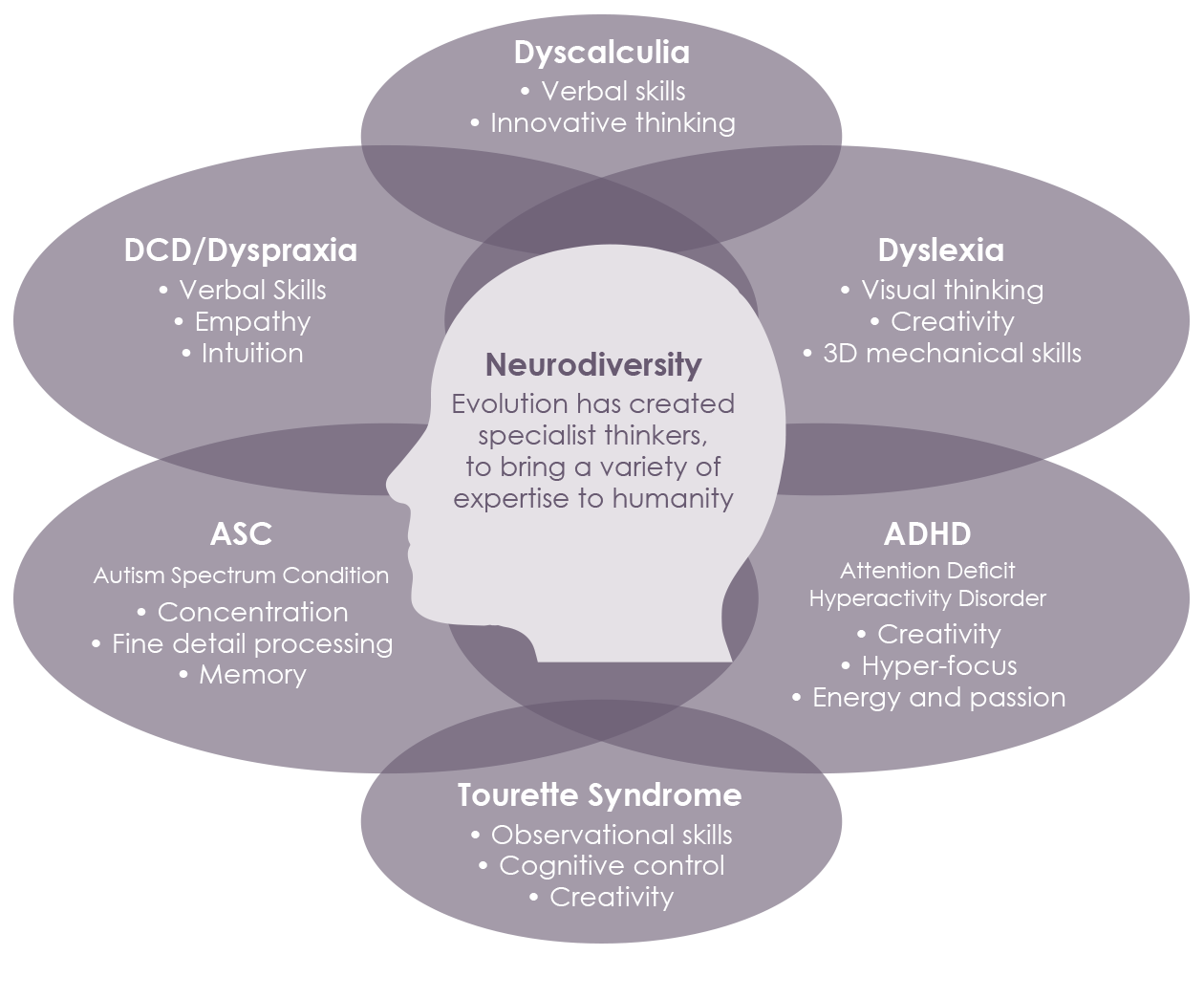
The term Neuro-divergent and Neurodiversity has also been adopted by not only those who are on the Autism Spectrum but also by those with conditions such as: mental differences, disorders, or dysfunctions…
Paradigm includes :
Learning Disabilities
Intellectual Disabilities
Developmental Speech Disorders
ADHD/ ADD
Obsessive Compulsive Disorder
Tourette’s Syndrome
Bipolar Disorder
And more / Etc.
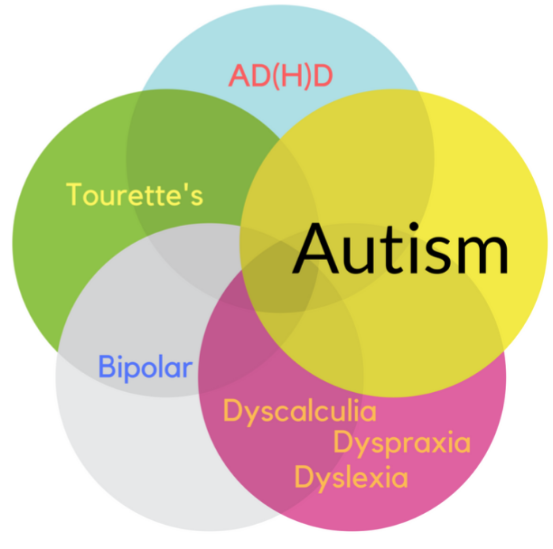
Neurodiversity encourages, advocates, and prioritizes embracing difference rather than being forced to conform and adopt specific normalities (ideas, behaviors, and ways of thinking)
DIFFERENT MEANS DIFFERENT ….. DIFFERENT DOESN'T MEAN INADEQUATE
Neurodiversity calls into question how we understand neurological variations and uniqueness.
Neurodiversity transgresses ‘cure culture’.
Neurodiversity recognizes problematics and faults in previous ways on approaching notions of difference regarding condition and disability.
Neurodiversity opens up space where space is needed for those who vere from society’s imposed frameworks and definitions of what is understood and valued as good, acceptable, healthy, and worthy of our time attention and scholarship.
PARADIGM SHIFT
“ A Paradigm Shift is a revolutionary change from one way of thinking to another; a transformation or metamorphosis, rather than an evolutionary process. The paradigm we use and accept is dependent on us believing what we perceive to be true and accurate. “
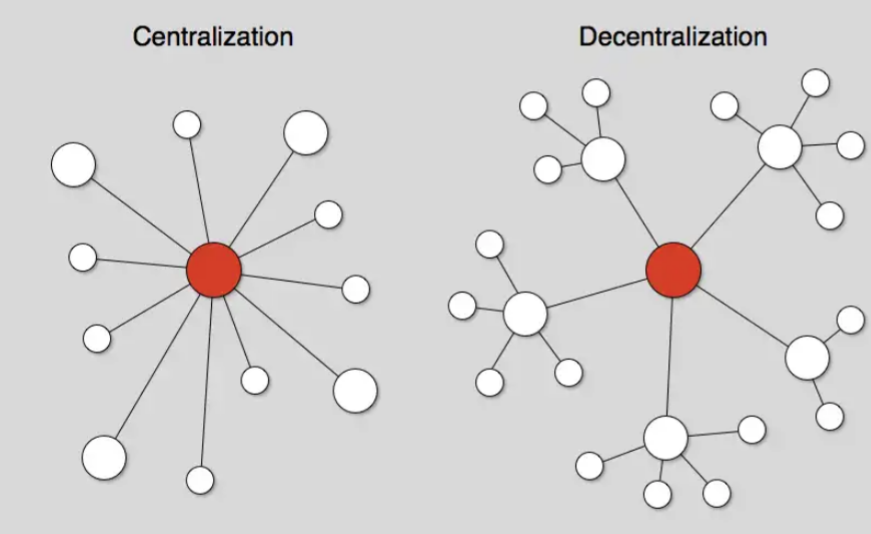
DECENTRALIZATION
Nothing changes without action. Nothing progresses without action.
Decentralization is the transfer of decision making, power, and responsibility for results … to disperse something from one point of concentration or attention.
Decentralization is how we can move towards a more inclusive environment and world! :)
Paradigm Shift
… decentralize through shift of focal point
Shift
Re frame
Expand
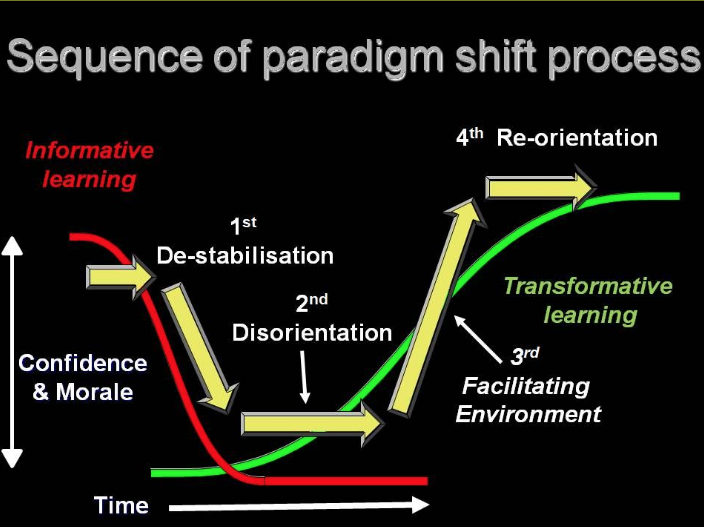
Decentralizing / Shifting / Reaching Expansion
Inclusion occurs when we reprogram ourselves and unshackle ourselves systematically conditioned beliefs. Allowing ourselves to push further and think further. Thinking beyond what we think we could know or what we know to be true.
Breaking down our understanding of what we think we know to be true and expanding / allowing for seeing / aspects of expansion
What is Neurotypical Privilege?
Neurotypical Privilege is the privilege of being neurotypical. It is the privilege of living in a world that is dominant and favors a specific neurology. Someone is neurotypical when they do not display atypical patterns behaviors/ and neurology
On the same paper from the beginning. Take a few minutes to write down and Examine the ways in which you think you exercise neurotypical privilege on a daily basis.
What does Neurotypical Privilege look like:
Not being dismissed as non useful in situations where ability is judged off diagnosis or by knowledge of condition
Not being fearful of losing your job or responsibilities when disclosing your Autism in the workplace
Pressure to mask autistic traits atypical behaviors and idiosyncrasies
Disclosure
Misunderstanding / Miscommunications
Dismissal and invalidation of experiences
Microaggressions:
(ie. you're too put together to be autistic, being told you don't look autistic
Not having to deal with Stigma that comes along with condition or disability (in all aspects of social life
Not having to feel obligated to Mask
Miscommunications due to autistic or neurodivergent traits
Not being Infantilized.
Not facing Discrimination in areas of life like: friendships, dating, social .
Not being told that you are faking or making this whole thing (your condition) up.
Lack of representation in the media / accurate depiction in the media
Examples of Neurotypical Privilege
(see source list ; via Square 8 blog)
I have never been told, because of my neurology that I am incapable of feeling pain
People of my neurology are not generally considered burdensome to our families or other groups
I can assume that police officers will not become alarmed at my natural body language and find it necessary to subdue me in advance of any wrongdoing
I do not have fear that important decisions about my life will be made by others who are considered more ‘qualified’ based on neurology
I can reveal my neurology to my boss and coworkers without fear of losing my job or being judged / or without having trust and certainty lost in my abilities to compete tasks and work
I can ask for technical or social support without (on the job) without being seen as a charity case
-No one sees my neurology as being in need of elimination or cure
If I fail to understand autistic people this is attributed to a deficit inherent in autistic people rather than me
I am not expected to alter or suppress my natural ways of moving, interacting, or expressing emotion in most circumstances
If I fail to alter or suppress my ways of moving, interacting, or expressing emotion I do not fear public ridicule or exclusion because of this
Revisiting Intersectionality
In thinking about neurodiversity and intersectionality … how can we further expand and make sure that it is completely inclusive?
Race and Disability: From Analogy to Intersectionality
Frederick and Shifrer began looking at disability from an Intersectional approach in using Kimberle Crenshaw’s theory of intersectionality
In their approach they were able to make crucial connections between disability and race
Shifrer and Frederick proposed the Minority Model in emphasizing the importance of embracing intersectionality when conceptualizing and advocating for disability.
The Minority Model
The minority model is a socio political framework which argues disability/ disability rights (our understandings of disability) to be ultimately centered around white middle class bodies and experiences. (in being centered around white middle class bodies and experiences, failing to meet the needs of disabled minority.
In general, Conversations of disability have been known to exclude people of color. Due to inextricable aspects and forms of oppression that pertain to race and class.
How voices and experiences of color get lost in the movement. Due to whiteness and able bodiedness already being clear points of privilege in our societal structure
It is imperative that voices and experiences of color do not get left out in dialogue surrounding disability
(For those of us who are neurodivergent)
How we can maintain self esteem in challenging environments:
Exercise self compassion
Know your boundaries and limits ( and also communicate them with others)
Don't go it alone; surround yourself with people who are familiar with your needs and limitations
Remove oneself
How can we hold / make space for our Autistic and Neurodivergent counterparts?
Take a few minutes to think about the ways in which you can make space in our everyday lives for our neurodivergent counterparts.
Ways that neurotypicals can be supportive and more understanding:
Understanding limitations and abilities of their autistic and neurodivergent counterparts
Clearly
Listening
Ask Questions, rather than Assuming
ASSUME : ASSuming makes an ASS out of U and ME
Ways that neurotypicals can offer proper support and care in interpersonal relationships
By continuing to Think further about notions of difference. Further embracing difference …. And not only in a romanticized way… the whole way. Through the championed aspects of uniqueness to the more challenging aspects
1. Patience
2. Releasing what you think you know
3. Respect
4. Communication
Resources:
Texts
Race and Disability from Analogy to Intersectionality – Angela Frederick and Dara Shifrer
Social Media
@neurodivergentactivist